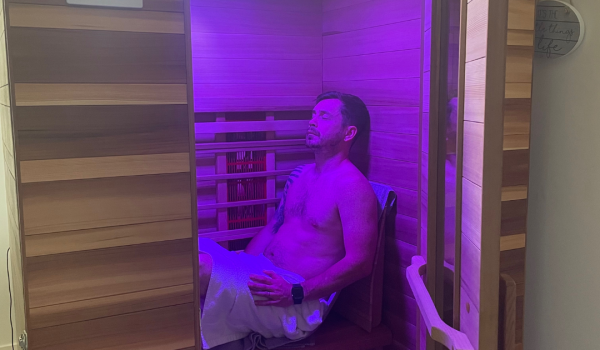


Stress is often viewed as something purely negative, but in reality it plays an important role in the body and has its benefits.
In the short term, stress can increase alertness, focus, and our ability to respond to challenges. This is a natural, adaptive response driven by the nervous system and the release of hormones including cortisol.
However, when someone is in state of chronic stress, the body can spend more time in a sympathetic (fight-or-flight) state, with less opportunity to shift into the parasympathetic (rest-and-digest) state that supports recovery.
Over time, this imbalance can begin to affect energy levels, sleep quality, digestion, and overall wellbeing.
Supporting the Nervous System
Rather than trying to remove stress entirely, a more sustainable approach is to support the body’s ability to move between states of activation and recovery.
Creating regular opportunities for the nervous system to down-regulate is key.
Practices that support this include:
- reducing external stimulation
- slowing the breath, particularly extending the exhale
- allowing time for rest and stillness
- gentle, consistent movement
The Role of Nutrition in Stress
Alongside environmental and lifestyle support, nutrition plays an important role in how the body responds to stress. The brain relies on a steady supply of nutrients to produce and regulate neurotransmitters involved in mood, focus, and relaxation.
For example:
- amino acids from protein support the production of serotonin and dopamine
- magnesium plays a role in nervous system regulation and relaxation
- omega-3 fatty acids support brain function and help regulate inflammation
In addition, maintaining stable blood glucose levels is key. Fluctuations in blood sugar can increase stress hormone activity, making the body feel more reactive.
A Combined Approach
Supporting the nervous system is most effective when approached from multiple angles.
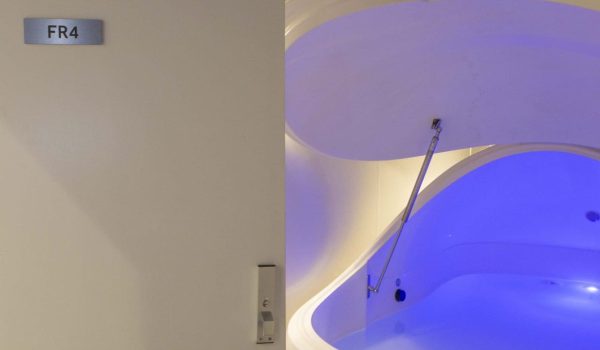
Creating space for deep relaxation through practices such as floatation therapy, alongside consistent nutritional support, can help the body shift out of a prolonged stress response and into a more balanced state. Over time, these small, consistent inputs can support greater resilience, steadier energy, and overall wellbeing. To find out more about visit